

Tank lining and coatings
Containment and secondary containment coatings
Linings for containment tanks and secondary containment coatings for the areas around them, matched to the chemicals, fuels, and wastewater each one holds.
Overview
Linings built for what the tank holds
Tank interiors are hostile places. Oil, petrochemicals, caustic chemicals, and even food products like flour and oils break down bare steel and concrete over time, and a tank that’s breaking down can contaminate what it holds. A containment coating stops both. It protects the tank from its contents and the contents from the tank.
Containment tank linings
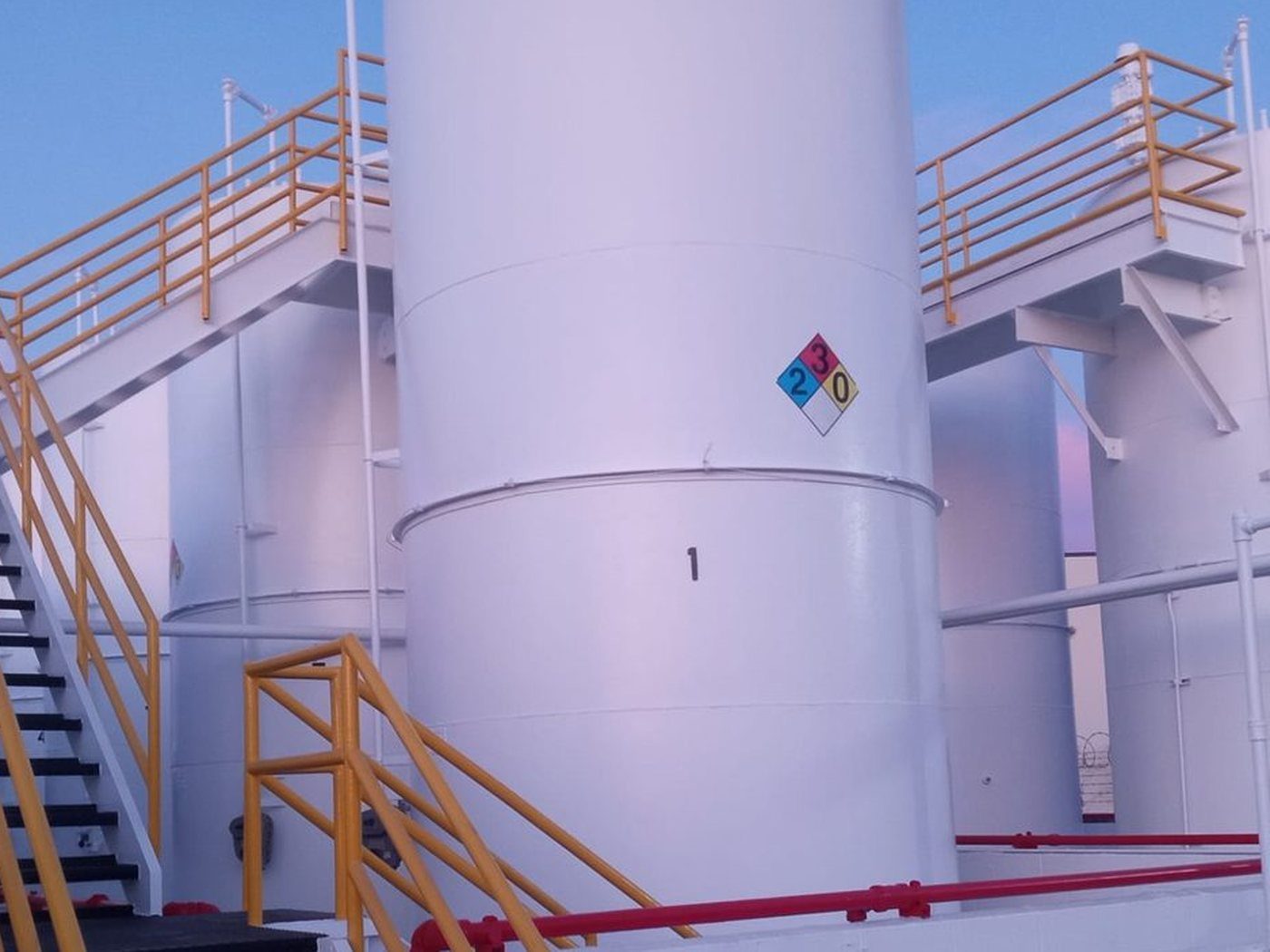
The right lining depends on two things: what the tank is made of and what it’s built to hold. Containment tanks are usually steel, concrete, or polypropylene. Their linings are usually two-part epoxy, polyurethane, or elastomeric systems. We look at the tank, the contents, and the conditions inside and outside it before we recommend one.
Secondary containment coatings
Secondary containment is the backup: the concrete dike, berm, or curbed slab around a tank that holds a spill if the tank leaks. Bare concrete is porous, so a spill soaks right in. A secondary containment coating seals the concrete so a leak stays where it can be cleaned up. It has to stand up to the same chemical the tank holds.
Why the application matters
Containment linings are hard to put down right. The crew has to understand the chemistry of the mix, the dry time, the conditions inside and outside the tank, and how to lay the coating down at the correct thickness. Miss one and the lining fails early. Our crews are trained in chemical compatibility and safe handling, and they check film thickness as they go.
Keeping the job contained
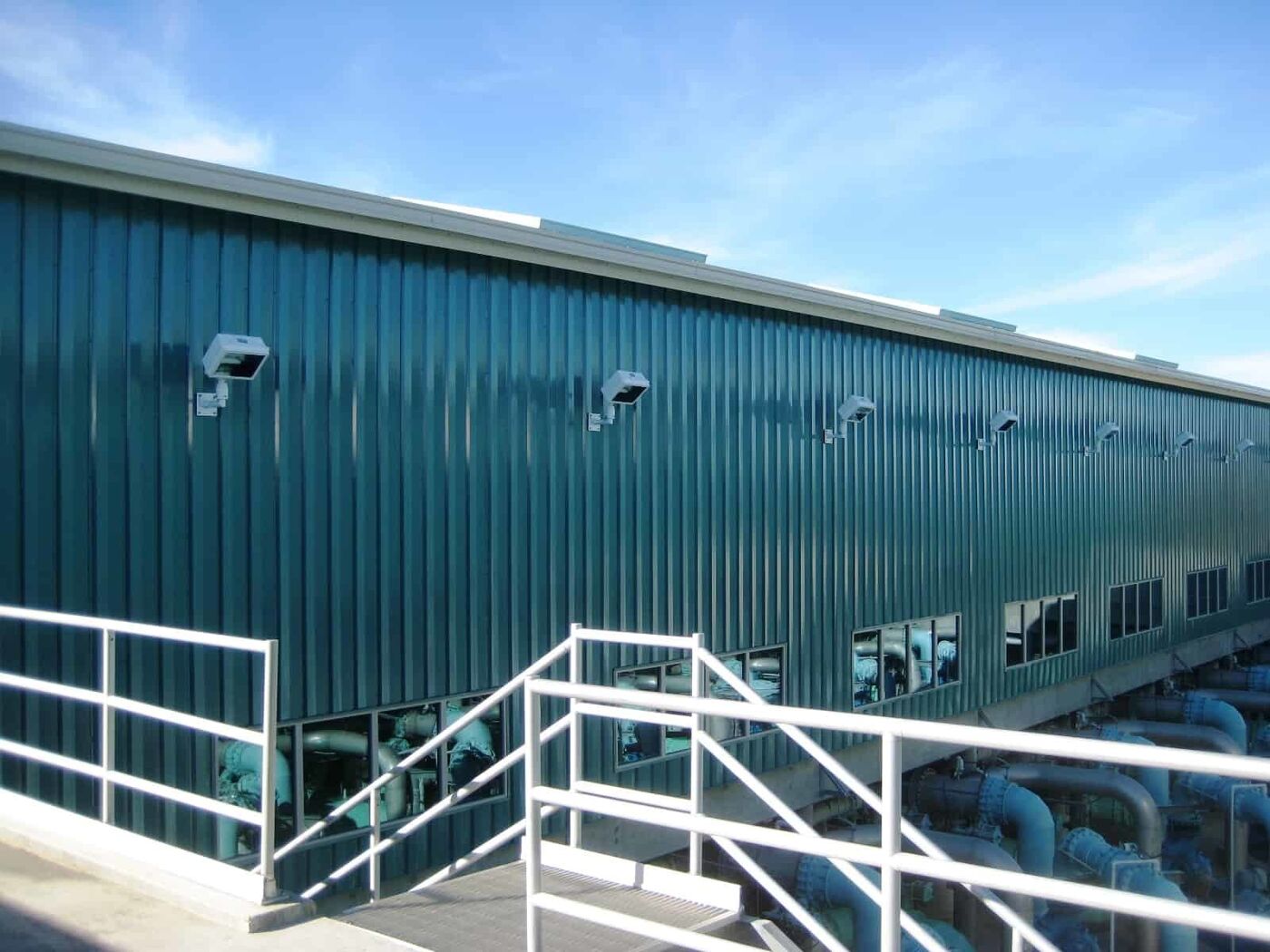
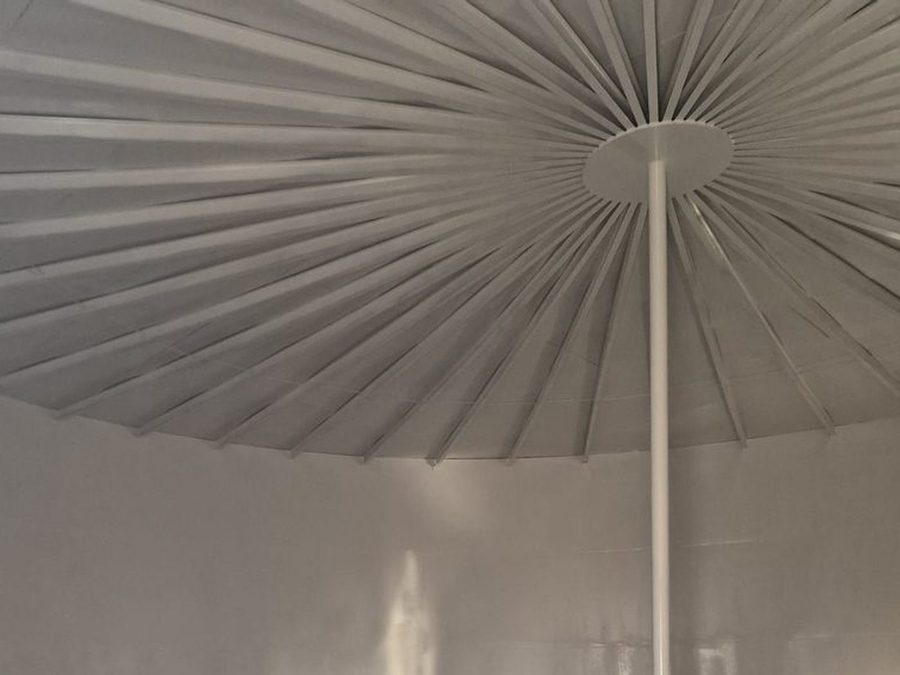
Some tanks call for a negative air system, which pulls air out through a filter so overspray and contaminants can’t escape. The backwash tank lining at the Twin Oaks Water Treatment Plant was one of those jobs.
Projects
Tank lining projects
Tank lining and coatings
More tank lining and coatings
- Exterior tank coatings Rust and weather protection for tank shells, roofs, and supports.
- Tank farm coatings and maintenance Coating programs for many tanks across large or remote sites.
- Water tank coatings Linings and exterior coatings for water storage tanks.
- Confined space coatings Tank interiors, vaults, and water boxes, coated by trained crews.
What is secondary containment?
A second barrier around a tank that holds a leak or spill before it reaches the ground, drains, or groundwater. It’s usually a concrete dike, berm, or curbed slab. Bare concrete soaks up chemicals, so the containment area gets a coating chosen for what it might have to hold.
What lining goes in a containment tank?
It depends on the tank and what it holds. Steel, concrete, and polypropylene tanks each take different systems, and the lining has to resist the specific chemical, oil, or food product inside. We use epoxy for most industrial tanks, with polyurethane or elastomeric where the job calls for it.
Can you reline a tank with a failing coating?
Yes. The old coating comes off during surface prep, rusted or damaged areas are repaired, and the new lining goes onto clean, sound metal or concrete. We coordinate the blasting for the removal and oversee it as part of the job.
Are your crews trained for work inside tanks?
Yes. Our crews are trained in confined space entry, and every tank job gets a site-specific safety plan with daily safety checks. See confined space coatings.